SAP trims 2026 profit goal after AI data buys
SAP cut its 2026 non‑IFRS operating profit outlook after AI-focused data acquisitions produced a more than €100m dilutive impact, the company says.
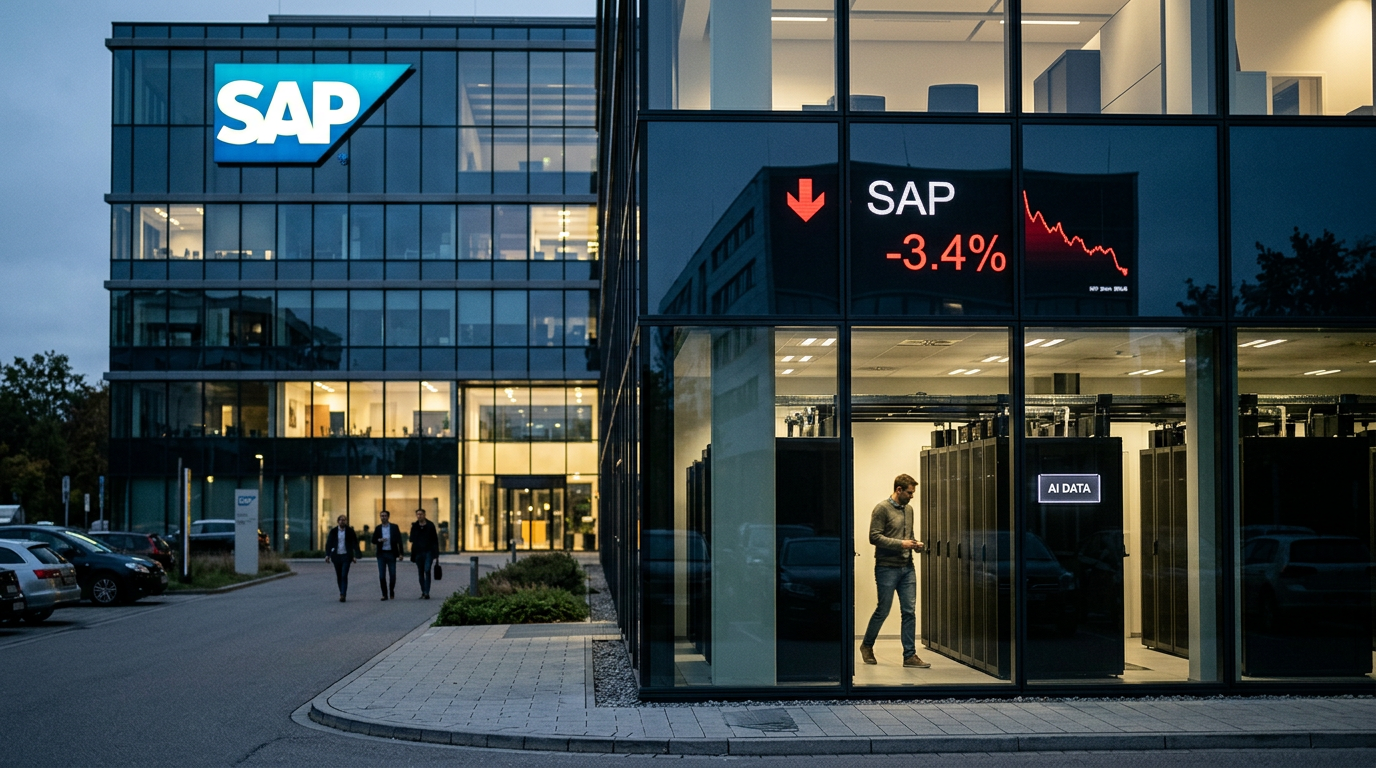
SAP cut its 2026 non‑IFRS operating profit outlook, blaming more than €100m of dilution from recent AI‑focused data acquisitions aimed at strengthening its data and analytics stack.
On July 23, SAP told investors in its quarterly statement that purchases of Dremio and Prior Labs had produced a "greater than €100 million" dilutive impact on operating profit expectations for 2026, prompting the vendor to trim its guidance. The company presented the moves as investments in data infrastructure that will underpin new AI capabilities across its cloud applications.
The write‑down underscores the rising near‑term cost of building the data plumbing required to run AI over regulated enterprise data such as HR and finance records. Vendors including SAP are buying specialised tooling — from lakehouse engines to privacy and data‑quality platforms — to stitch together controlled data estates and make them accessible for generative AI services while attempting to meet compliance demands.
For HR leaders, the vendor's guidance revision is a concrete example of the trade‑offs playing out across the market: software firms are diverting capital to integrate and secure sensitive personnel and payroll data for AI use cases, which can push up vendor pricing or alter where product roadmaps prioritise automation over people‑facing features. Those choices feed back into enterprise workforce planning, as buyers weigh whether to invest in vendor AI services or to hire internal data and privacy expertise.
SAP framed the acquisitions as strategic investments that will accelerate the company's ability to connect and govern enterprise data for AI, but it also acknowledged the short‑term earnings hit. The vendor did not disclose a detailed split of the dilutive amount between the deals, nor did it lay out specific timelines for product integrations or customer rollout schedules.
The episode sits within a wider pattern of M&A and heavy R&D spending by large enterprise software providers as they race to deliver AI capabilities. That push has increased acquisition costs and integration complexity, especially where HR and finance data are involved — sectors that attract heightened regulatory scrutiny over data protection, auditable decision‑making and bias mitigation.
What SAP has not made clear is how the new pieces will be certified for compliance with sector‑specific rules, which controls will be available to customers for segregation of HR and payroll data, and how bias‑auditing or model‑governance will be supported in practice. The vendor also left unspecified the implications for its own workforce: whether the investment will trigger new hiring in data engineering and compliance, or whether it will accelerate automation that reduces certain roles.
For corporate HR and procurement teams negotiating with software vendors, the SAP case is a reminder to push for detail on pricing trajectories, certification roadmaps, data residency and auditability before committing to AI‑enabled modules. Vendor roadmap statements of capability often precede extended technical integration work and, as SAP's profit guidance shows, can carry material near‑term costs.
Looking ahead, the balance between headcount and automation spend will become more visible as vendors integrate these new acquisitions and begin charging for added capabilities. HR leaders will be watching not only the functionality flowing from deals such as Dremio and Prior Labs, but also the commercial and compliance terms that determine whether those capabilities free up internal capacity or simply reallocate budget to external AI services.