SAP adds EU Pay Transparency Insights to SuccessFactors
SAP has added EU Pay Transparency Insights to its People Intelligence suite to help employers analyse pay gaps and prepare reporting under the EU directive.
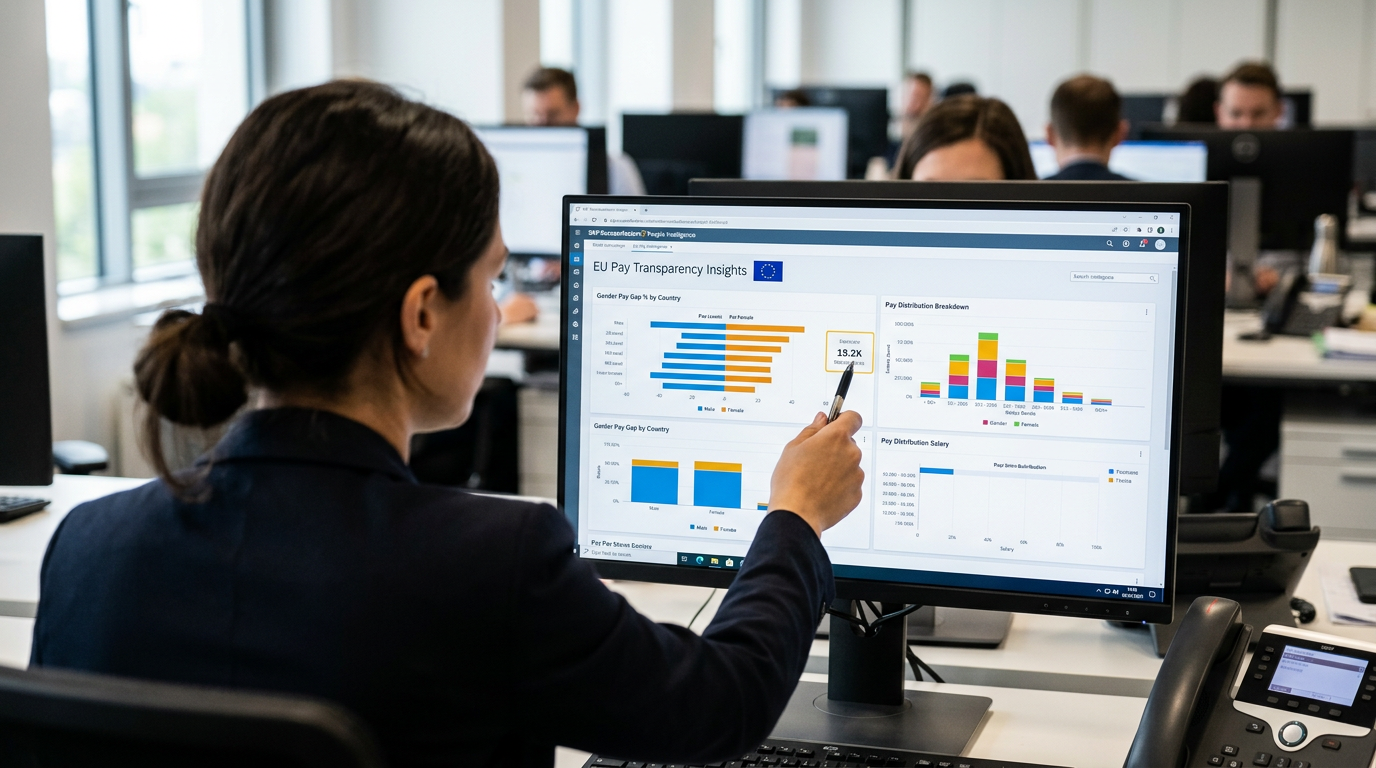
SAP has added a new analytics capability, EU Pay Transparency Insights, to its People Intelligence/Business Data Cloud portfolio to help employers analyse compensation, identify pay‑gap outliers and prepare reporting under the EU Pay Transparency Directive. The vendor positions the feature as an AI‑assisted tool intended to support explainability and pay‑equity workflows within SuccessFactors.
The company announced the capability in February 2026, saying the module will surface statistical outliers, generate visualisations of compensation distributions and provide workflow hooks to flag cases for further HR review. SAP said the feature is aimed at helping employers produce the analyses and documentation that national authorities are expected to require as member states implement the EU Pay Transparency Directive.
SAP frames the capability as part of a broader push to embed people analytics into core HR systems. EU Pay Transparency Insights sits alongside other Business Data Cloud tools and is designed to work with existing SuccessFactors data models, the vendor said, so organisations can run standardised pay‑equity assessments without exporting payroll data to separate systems.
The product announcement comes as EU governments move to translate the directive into national law and set employer reporting obligations and pay‑disclosure rules, including requirements that will affect job adverts and internal audits. SAP’s May 2026 briefing on the directive underlined looming national implementation deadlines and recommended that HR leaders use people analytics to map pay practices, document rationale for pay differences and prepare transparent reports for inspectors or non‑judicial dispute processes.
The launch reflects a wider market trend of HR technology vendors adding dedicated pay‑equity and compliance features. Regulators and advocacy groups are demanding more granular, auditable evidence of pay practices, and vendors are responding by building analytics, dashboards and workflow tools into core HR platforms rather than leaving reporting to bespoke consultancies.
What the company did not make clear in its announcement was how EU Pay Transparency Insights will address critical legal and audit questions. SAP did not disclose whether the feature has undergone independent bias or algorithmic fairness audits, how explainability will be documented for regulators, or whether outputs will be accepted as evidential in national administrative or court proceedings. The vendor also did not specify data‑residency options for member states with strict cross‑border rules, nor did it publish pricing or a general availability date beyond naming the capability.
SAP also didn’t name customers who have piloted the functionality or provide examples of the directive‑specific reports it will produce. That leaves open practical questions for HR teams: how easily will the tool map to different national reporting templates, how will it manage sensitive categories that vary by jurisdiction, and what governance controls will be supplied for workforce data access?
For HR leaders, the arrival of an integrated, AI‑assisted pay‑equity capability inside a major HR suite is likely to accelerate projects to inventory pay practices and tighten governance around compensation data. As member states move from EU directive to national rules, organisations will need not only analytics but documented, defensible processes — and vendors will increasingly be judged on the auditability, transparency and legal defensibility of their models as much as on dashboard ergonomics.