Venues weigh bans after covert recording with Ray‑Ban glasses
The Guardian reports Ray‑Ban smartglasses have been modified to disable recording LEDs; UK venues and campaigners are calling for bans and tighter controls.
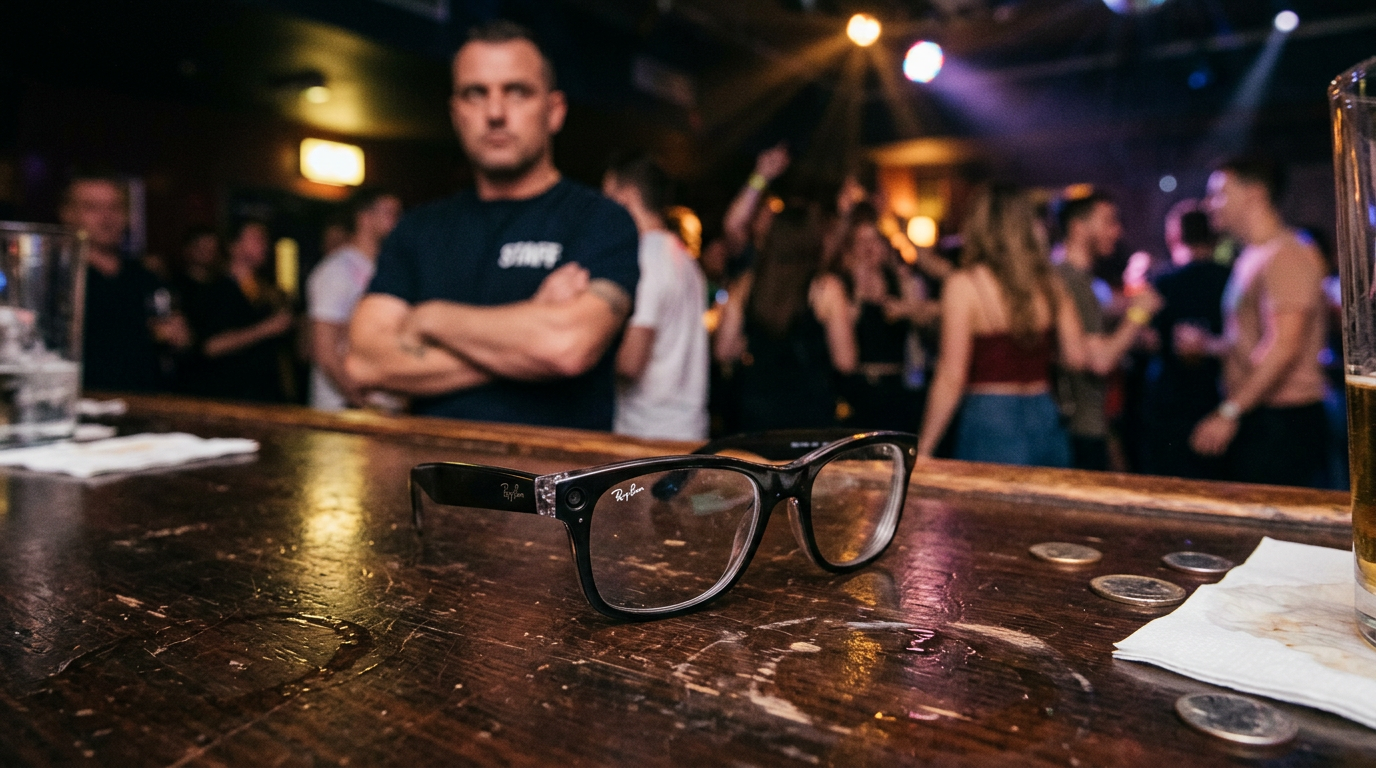
Commercial resellers and some wearers have been modifying Meta’s Ray‑Ban smartglasses to disable the pair’s recording LED, enabling covert filming of people in public spaces, The Guardian reported.
On 19 August 2026 the investigation found examples of devices sold with the indicator light disabled and of third‑party sellers offering hardware tweaks that silence visual recording cues. The reporting has prompted pubs, cinemas, theatres and campaigning groups in the UK to consider outright bans or tighter controls on wearable cameras in customer‑facing environments.
Venue operators and campaigners say the prospect of cameras that do not signal when they are recording creates fresh safety and consent problems for staff and customers. Front‑of‑house employees already report anxiety about being filmed without permission; owners told The Guardian they are now weighing policies that would make smartglasses a prohibited item in certain spaces or require wearers to declare recording devices on entry.
Meta responded to the investigation, saying it prohibits disabling the device’s LED and is probing the reports. The company told The Guardian it will “take action” against sellers and modifications that violate its policies. Meta did not provide figures for how many glasses have been altered or details on whether it can reliably detect and deactivate modified units at scale.
The episode sharpens questions for employers about consent and surveillance. Employment lawyers and HR teams already navigate camera policies, but wearable devices change the calculus: a single pair of glasses can record customers and colleagues in close proximity without the conspicuous hardware of a mounted camera. Employers must now consider whether existing CCTV and phone policies cover smartglasses, how to protect vulnerable staff, and what disciplinary measures are proportionate when employees or customers use covert recording tech.
Privacy regulators have in recent years turned more attention to workplace and public‑facing surveillance. In the UK, enforcement bodies and unions have flagged the need for clear policies and staff consultation where monitoring tools are in play; the Guardian’s reporting is likely to intensify calls for regulators to set out specific guidance on wearables and consent in public venues.
What remains unclear is the scale and enforceability of any new rules. The Guardian’s investigation identified individual resellers and anecdotal incidents but did not quantify how widespread hardware modification is across the installed base. Meta has not disclosed whether it can remotely diagnose or render unusable a glasses unit that has been tampered with, nor has it outlined a verification process venues could use to check devices at entry without raising privacy or legal issues of their own. Venue operators also lack clarity on liability: banning a device is straightforward to announce, but enforcing a ban against a customer wearing ordinary spectacles that conceal electronics presents practical and legal challenges.
For HR leaders and employers, the immediate task will be pragmatic: update on‑the‑job recording policies, brief front‑line staff on how to respond to suspected covert filming, and engage legal counsel to balance safety and privacy with proportionality. Longer term, the incident is a marker of a wider shift in workplace technology governance — wearable cameras force organisations and regulators to reconcile rapid device innovation with consent norms and employee protections, and the answers will help set boundaries for other hands‑free AI tools as they enter public and working life.