Oracle readies new layoffs to fund AI data‑centre buildout
Business Insider reports Oracle has told managers to prepare layoff lists as it shifts spending to AI data‑centre capacity and chips, raising WARN‑Act and HR strategy questions.
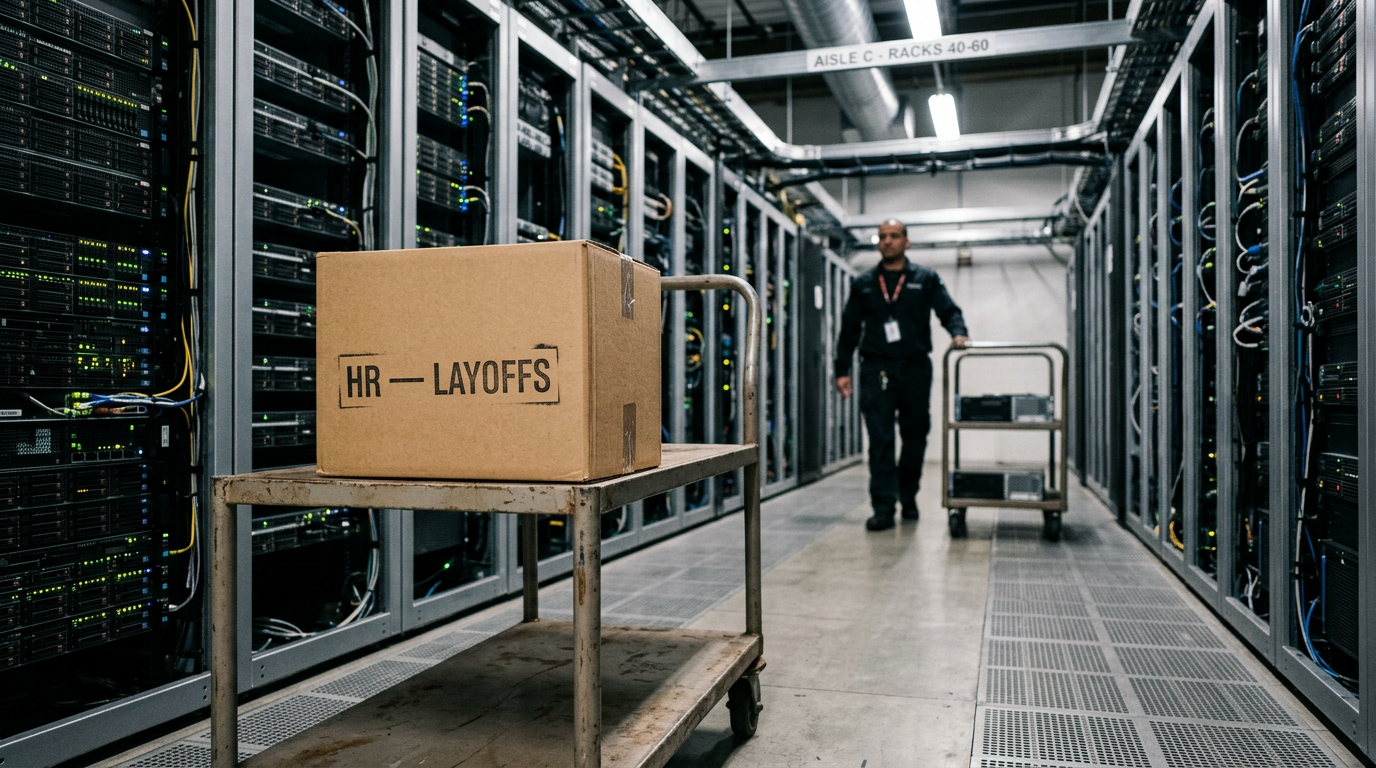
Oracle has instructed managers to prepare lists of employees for a possible new round of layoffs as the enterprise-software vendor accelerates spending on AI data‑centre capacity and chip purchases, Business Insider reported, a development later corroborated by industry outlets including Tom's Hardware.
The reporting, dated in early June, says the company asked managers this month to identify roles and headcount reductions — with some teams potentially facing double‑digit percentage cuts — as Oracle seeks to reduce payroll to help finance a large build‑out of cloud infrastructure aimed at supporting generative AI workloads. The planning follows substantial workforce reductions taken earlier in fiscal 2026.
Oracle has not publicly detailed a fresh layoff plan. The vendor declined to comment to Business Insider on the scope or timing of the proposed cuts. Tom’s Hardware reported that Oracle has already allocated most of a $2.1bn restructuring budget and is now balancing further headcount reductions against heavy capital and operating expenditures for data centres and specialized AI chips.
For HR leaders and in‑house counsel, the timing raises immediate questions about U.S. obligations under the Worker Adjustment and Retraining Notification (WARN) Act and similar state laws. The WARN Act requires 60 days’ notice for covered mass layoffs or plant closings; whether a set of staggered team‑by‑team reductions would trigger the statute depends on how Oracle frames the actions and the size and location of affected workforces.
Executives and HR teams at large software vendors have in recent quarters weighed aggressively scaling AI infrastructure while trimming labour costs — a pattern that reshapes workforce strategy. Vendors are spending on hyperscale storage, networking and AI accelerators to host large models and offer model‑serving services, but those investments can drive a reassessment of labour needs in sales, services and product engineering as business priorities shift toward capital‑intensive cloud offerings.
Internal planning for layoffs tied to strategic investments is not unusual, but the public reporting underscores friction points: affected teams often include highly skilled engineers whose expertise is also in demand by buyers and competitors, complicating rehiring or outsourcing decisions. HR leaders must also consider pay‑inLieu, severance, redeployment options, and the potential reputational impact when vendor customers rely on stable ongoing product teams.
What wasn’t disclosed in the reporting is material detail HR teams would normally seek: which business units or geographies are specifically targeted; the projected number of roles to be cut; the timetable for any notices; and whether Oracle plans redeployment, retraining or enhanced severance packages. It also remains unclear how the company will mitigate legal risk related to WARN and analogous jurisdictional requirements, or whether it will conduct disparate‑impact analyses where cuts intersect with protected classes.
The episode highlights a broader pivot in enterprise‑software economics as vendors prioritize capital sinks for AI at the possible expense of headcount. For HR leaders negotiating vendor relationships and planning internal talent strategies, the key implication is that supplier AI investments can produce downstream workforce churn — and that contingency planning for vendor‑driven instability should now be part of procurement and supplier‑risk assessments. How Oracle balances immediate cost reductions with the need to retain scarce AI and cloud expertise will be a bellwether for how aggressively vendors restructure while racing to scale AI infrastructure.