OpenAI expands Health in ChatGPT to US users
OpenAI has rolled out Health in ChatGPT to more U.S. users, allowing linking of medical records and Apple Health — raising workplace privacy and compliance questions.
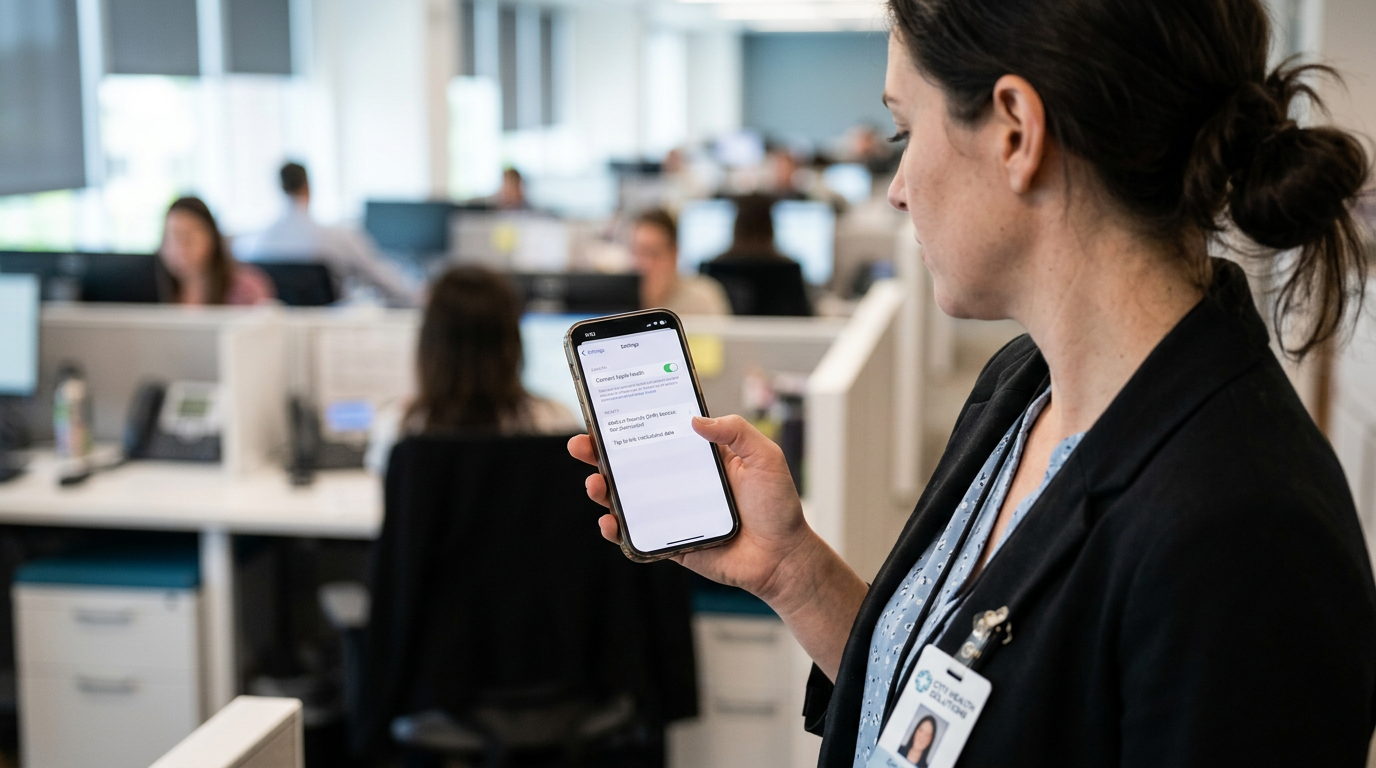
OpenAI has begun rolling out its "Health in ChatGPT" feature more broadly to U.S. users, allowing people to link their medical records and Apple Health data so the chatbot can use that information to provide personalised, context-aware responses. The company presents the update as a way for individuals to get health-related explanations, symptom context, and follow-up suggestions that take their records into account.
OpenAI first signalled the expansion on July 23–24, saying the upgrade enables ChatGPT to connect with users' health records and Apple Health metrics in the United States. MacRumors reported the integration specifically enables the assistant to access Apple Health data when users opt in, while OpenAI's product page frames the capability as an optional connection users can enable within ChatGPT.
For employers and health benefit administrators, the change is immediate and practical: worker interactions with a health-enabled chatbot could surface protected medical information outside traditional clinical systems. HR teams and benefits managers increasingly field employees' questions about diagnoses, prescriptions and return-to-work timelines; if workers bring ChatGPT-generated summaries or accommodation requests based on the assistant's analysis, employers will need clear policies on how such materials are handled, verified and stored.
The rollout also intersects with device-management and privacy controls. Many organisations issue company-managed smartphones and use mobile device management (MDM) that can restrict app permissions. If employees connect employer-managed devices to ChatGPT's health features, IT and privacy teams will have to reconcile device policies with the user's ability to transmit sensitive health data to a third-party cloud service.
The launch reflects a wider consumer push by tech vendors to integrate personal health data with AI assistants. Companies are pursuing convenience and personalised experiences while regulators and privacy advocates have been sharpening scrutiny of health data flow beyond traditional healthcare systems. In the U.S., protections like the Health Insurance Portability and Accountability Act (HIPAA) set rules for covered entities and business associates, but consumer-facing apps that process health data do not automatically fall under HIPAA's requirements.
OpenAI's public materials outline the user-facing features but stop short of answering several compliance and workplace-facing questions. The company has not disclosed whether Health in ChatGPT will be treated as a HIPAA-covered service or offer business associate agreements for health-plan administrators. It also has not published independent audits, model cards specific to health prompts, or detailed retention and access controls that would clarify whether employers could obtain aggregated or identifiable employee health data.
The absence of those details leaves employers and benefits vendors to assess risk on limited information. Expect HR teams to revisit privacy notices, update acceptable-use policies for company devices, and coordinate with legal counsel on documentation needed when employees present AI-generated medical summaries. At the same time, benefits administrators should map how third-party data flows could affect plan compliance and vendor contracts.
As conversational assistants move deeper into personal health, the boundary between personal data and workplace records will get messier. How organisations respond — by tightening device controls, clarifying documentation standards for accommodations, or seeking contractual safeguards from AI vendors — will shape whether the convenience of health-enabled chat tools translates into manageable benefits or new sources of liability for employers.