UK opens 'Make Work Pay' consultation on monitoring tech
The Department for Business and Trade has opened a consultation proposing rules for biometric cameras, keystroke logging, productivity scoring and AI monitoring.
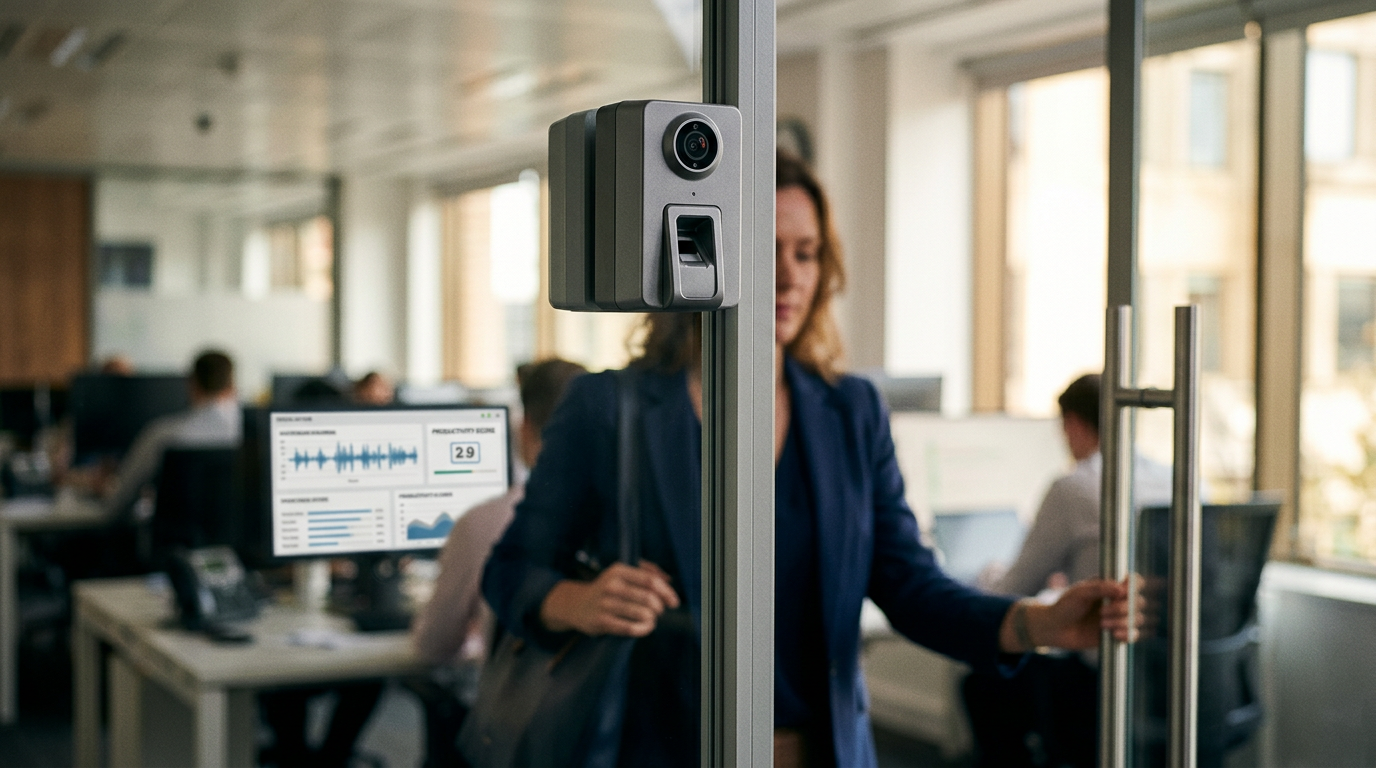
The Department for Business and Trade has opened a public consultation setting out proposals to regulate workplace monitoring technologies and to strengthen worker voice and transparency.
The consultation, published on GOV.UK today, flags specific measures aimed at biometric cameras, keystroke logging, productivity scoring and AI-assisted monitoring. Materials on the site include draft Code options and timelines for responses, with the department inviting views from employers, unions, technology vendors and workers on how oversight should work in practice.
At the heart of the departmental proposals is a push to force earlier and clearer engagement with affected staff. The paper sets out potential legal requirements for employers to consult where new monitoring technologies are deployed or where algorithmic management tools materially change how people are assessed or allocated work. It also proposes baseline transparency obligations so workers know what data is collected, how it is used to score or rank performance, and whether automated decisions affect pay, hours or disciplinary outcomes.
The Department frames the measures as intended to rebalance power between employers and workers in workplaces where people‑analytics and algorithmic management are increasingly common. The consultation text says some monitoring currently takes place with “limited or no meaningful consultation” and that a statutory framework could require firms to provide impact assessments, publish monitoring policies and document decision‑making logic behind automated systems.
The proposals span operational details as well as governance. The department is asking whether a statutory Code of Practice should be backed by enforcement powers, what thresholds should trigger consultation, and whether certain high‑intrusion techniques — for example face‑matching cameras or pervasive keystroke logging — should face stricter controls or presumptive prohibition. It also explores how existing employment and data‑protection law might interact with any new obligations.
The launch comes amid a wider regulatory push on workplace surveillance and AI. UK regulators, including the Information Commissioner’s Office, have already issued guidance on monitoring and data protection, while international developments such as the EU’s AI Act and enhanced oversight in other jurisdictions have heightened scrutiny of algorithmic management. The consultation follows a string of disputes and high‑profile coverage about intrusive monitoring and automated performance management in sectors from logistics to hospitality.
What the consultation does not do yet is set out fine‑grained compliance tests or a mandatory audit regime for algorithmic bias. The documents raise questions about independent certification, the resource impact on small employers, the interaction with trade union negotiation rights and the enforcement mechanism that would underpin any Code, but leave detailed design choices to the responses it receives. There is also no firm timetable in the papers for when draft legal measures might be laid before Parliament should ministers decide on legislative backing.
For HR leaders and people‑analytics teams, the consultation signals that current practices will be subject to closer legal and reputational scrutiny. If the department follows through, employers will likely need clearer consultation processes, more detailed impact assessments of monitoring tools, and tighter contractual standards for analytics vendors. Responses to the consultation will feed into the next stage of policy design and could reshape how algorithmic management is governed across UK workplaces.