Lawsuits target Eightfold AI and employers over hiring algorithms
Class actions argue Eightfold AI-powered screening creates opaque 'algorithmic dossiers' that replicate bias, prompting scrutiny and potential rule changes for employers.
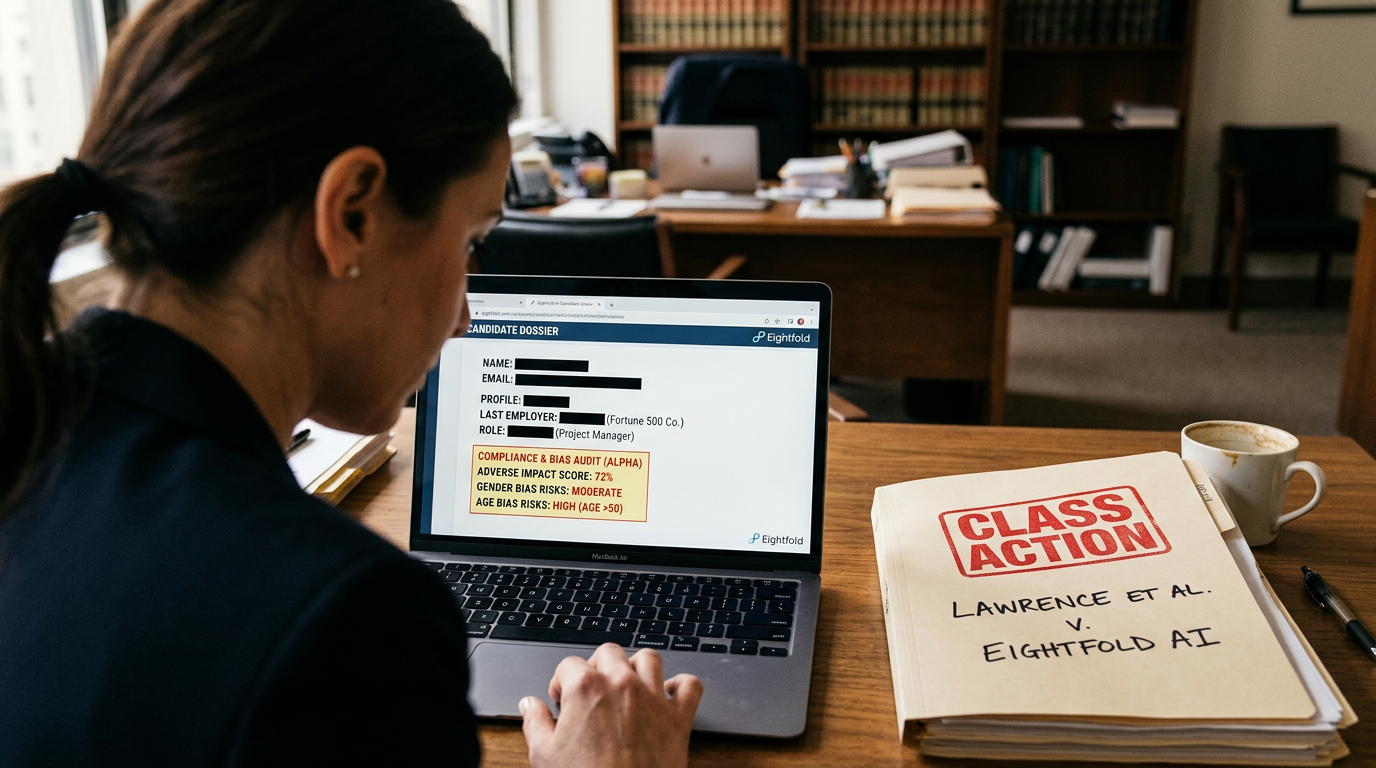
Plaintiffs have launched a wave of class-action lawsuits alleging that screening and ranking systems built by vendors such as Eightfold AI — and used by large employers — generate opaque “algorithmic dossiers” that replicate or amplify bias and deny candidates notice or a route to challenge automated decisions.
The Guardian reported on 19 August 2026 that the complaints, filed in US courts, accuse talent‑matching platforms of creating consolidated behavioural and performance profiles that effectively blacklist applicants without their knowledge. Plaintiffs argue employers who rely on those vendor systems have exposed candidates to unseen automated judgments with no mechanism for redress.
The complaints single out Eightfold among other vendors and name several major employers as users of the contested systems. Plaintiffs say the tools scan résumés, public profiles and internal data to rank, score and screen candidates, then feed those outputs into hiring workflows; those algorithmic outputs, they allege, can reproduce historical bias embedded in training data and obscure the basis for hiring decisions.
Legal filings cited by The Guardian contend that candidates received neither notice that their applications were being assessed by automated profiling nor meaningful information on how they were scored. The suits say that opacity prevents individuals from challenging errors or bias and risks creating a permanent, algorithmic record that employers will treat as definitive when making hiring or promotion decisions.
The reporting notes parallel litigation targeting other vendors and claims that internal layoff‑selection tools at companies including Meta have produced similar harms. The emergence of multiple suits has prompted renewed interest from civil‑rights advocates and regulators in both the US and abroad, who are increasingly focused on transparency and auditability of employment algorithms.
The new complaints arrive against a backdrop of accelerating regulatory scrutiny. The Guardian highlights that jurisdictions worldwide are moving toward tighter transparency and bias‑audit requirements for automated decision systems, and that lawmakers in several markets are drafting rules that would force vendors and employers to disclose automated profiling practices used in hiring.
For UK employers, the lawsuits underline legal and reputational risks associated with buying and deploying automated hiring systems built overseas. Firms that integrate vendor ranking or screening tools into recruitment workflows could face legal exposure if those systems generate biased outcomes or if they fail to provide candidates with adequate notice and explanation under future domestic rules or existing equality‑law duties.
Court filings and press reporting do not, however, set out full details of vendors' compliance processes. The Guardian's coverage indicates the complaints do not specify whether the systems named have undergone independent bias audits, what explanation facilities (if any) are offered to candidates, or how decision‑logging and human‑in‑the‑loop controls are implemented in practice. That absence leaves open questions about what technical or governance safeguards employers relied on when deploying the software.
Vendors and employers named in the suits will face choices about disclosure, audit evidence and contractual protections as the cases progress. For HR leaders, procurement teams and legal counsel, the unfolding litigation is likely to sharpen vendor due‑diligence demands: evidence of independent bias testing, candidate‑facing explanations and contractual commitments on liability and data use look set to become standard expectations.
As regulators consider new transparency and fairness rules for employment AI, the lawsuits may also inform policy: judges and enforcement bodies will be asked to weigh whether current employment law and consumer‑protection doctrines are able to police algorithmic hiring, or whether bespoke statutory controls are required. The outcome will influence not only litigation strategy but how employers govern algorithmic tools in day‑to‑day hiring.