Tribunal: Holiday Extras’ camera-on rule discriminatory
A Croydon employment tribunal found Holiday Extras unlawfully refused an employee's request to keep her camera off during remote training under the Equality Act 2010.
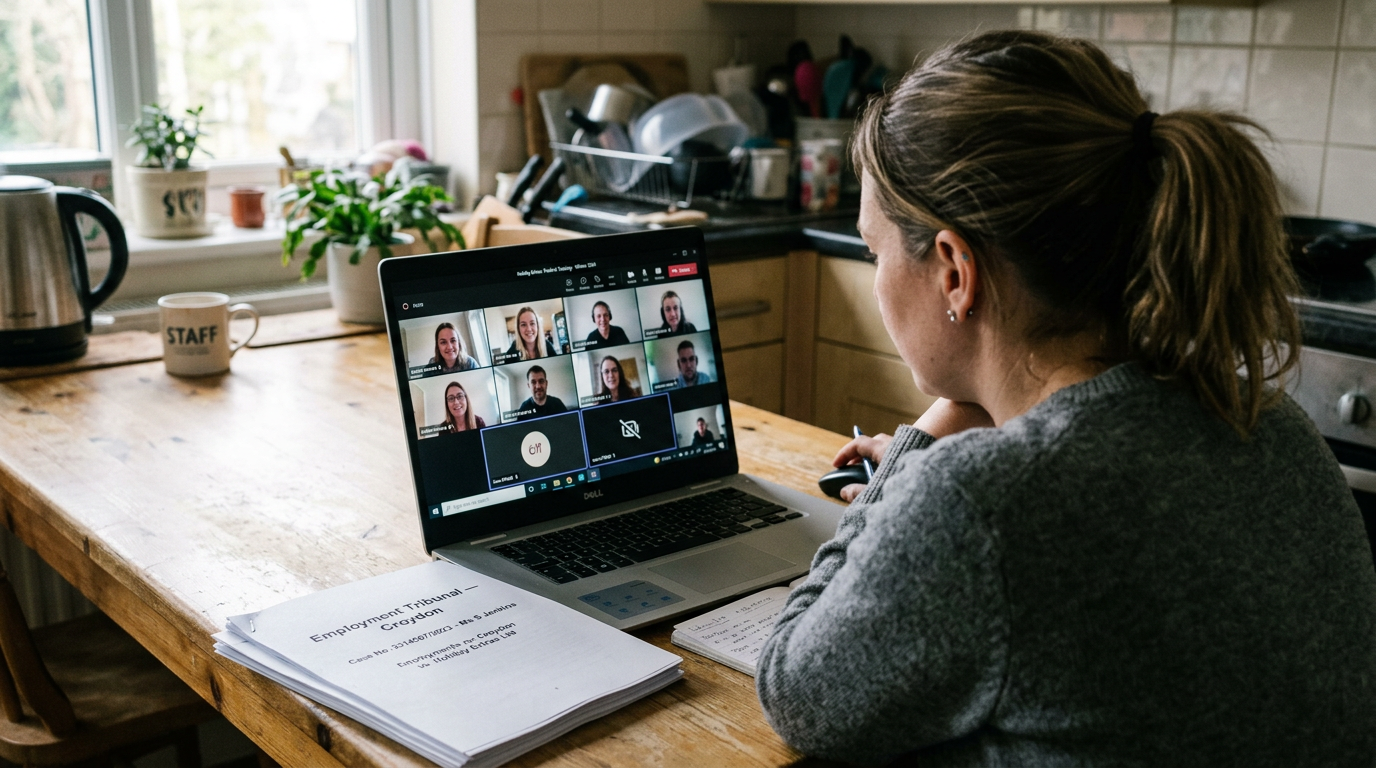
An employment tribunal has found that Holiday Extras discriminated against an employee by refusing her request to keep her camera off during a remote training session, concluding the employer should have implemented a reasonable adjustment once it became aware of her anxiety.
On June 2024 the Croydon employment tribunal, presided over by Employment Judge Liz Ord, accepted Laura Tait’s claim that managers declined her reasonable-adjustment request during a virtual training event. The judge held that under the Equality Act 2010 Holiday Extras had a duty to consider and put in place the adjustment once it knew about Ms Tait’s anxiety and the link between the condition and the workplace practice.
The tribunal found the refusal to allow Ms Tait to be off-camera amounted to unfavourable treatment linked to disability. A further hearing will be listed to determine remedy and compensation, the tribunal record shows.
Holiday Extras had required cameras on for the remote session, arguing the format depended on visible engagement. The tribunal accepted that an employer can set legitimate training standards, but said those standards must be applied flexibly where they intersect with protected characteristics and where a reasonable adjustment would remove a substantial disadvantage.
Employment lawyers said the factual finding is straightforward but significant: once an employer is on notice of a disability-related need, the statutory obligation to make reasonable adjustments is engaged and must be evidenced in practice. The ruling underscores that blanket ‘camera-on’ mandates risk running afoul of discrimination law if managers do not genuinely consider alternatives or tailor arrangements to individuals.
The decision lands amid wider scrutiny of remote-working rules and electronic surveillance in the workplace. Human-resources teams have increasingly relied on visibility and video interaction to measure engagement, performance and training completion during hybrid working — practices that can collide with health-related needs. Employers using automatic monitoring or rigid visibility requirements should now review whether their processes allow for documented, individualised adjustments.
The tribunal record does not disclose broader company-level data on how often camera policies are enforced, nor whether Holiday Extras has a formal written policy on cameras or remote monitoring. The ruling also leaves open how tribunals will balance competing operational needs against adjustments where training integrity is cited as the reason for visual attendance.
Holiday Extras has not been reported as publishing a public position on revising its remote-training practices following the judgment. The tribunal will set compensation at a later hearing, which will likely provide more detail on the remedy employers should expect in similar cases.
For HR leaders the case reiterates a practical point already embedded in statutory guidance: reasonable adjustments should be considered at the point an employer becomes aware of a health condition and must be reasonably practicable. As organisations adopt more technologies — from mandatory camera policies to automated behavioural monitoring and AI-driven proctoring tools — the decision signals that legal compliance will increasingly require documented individual assessments and recorded justification for rejecting adjustments. Employers that do not adapt risk further challenge where tech-enabled oversight intersects with disability rights under the Equality Act.