Commons probes AI and the future of the workforce
Business and Trade Committee took evidence on AI’s impact on jobs, redundancy risks, skills and worker protections — what HR leaders must watch and do next.
What happened
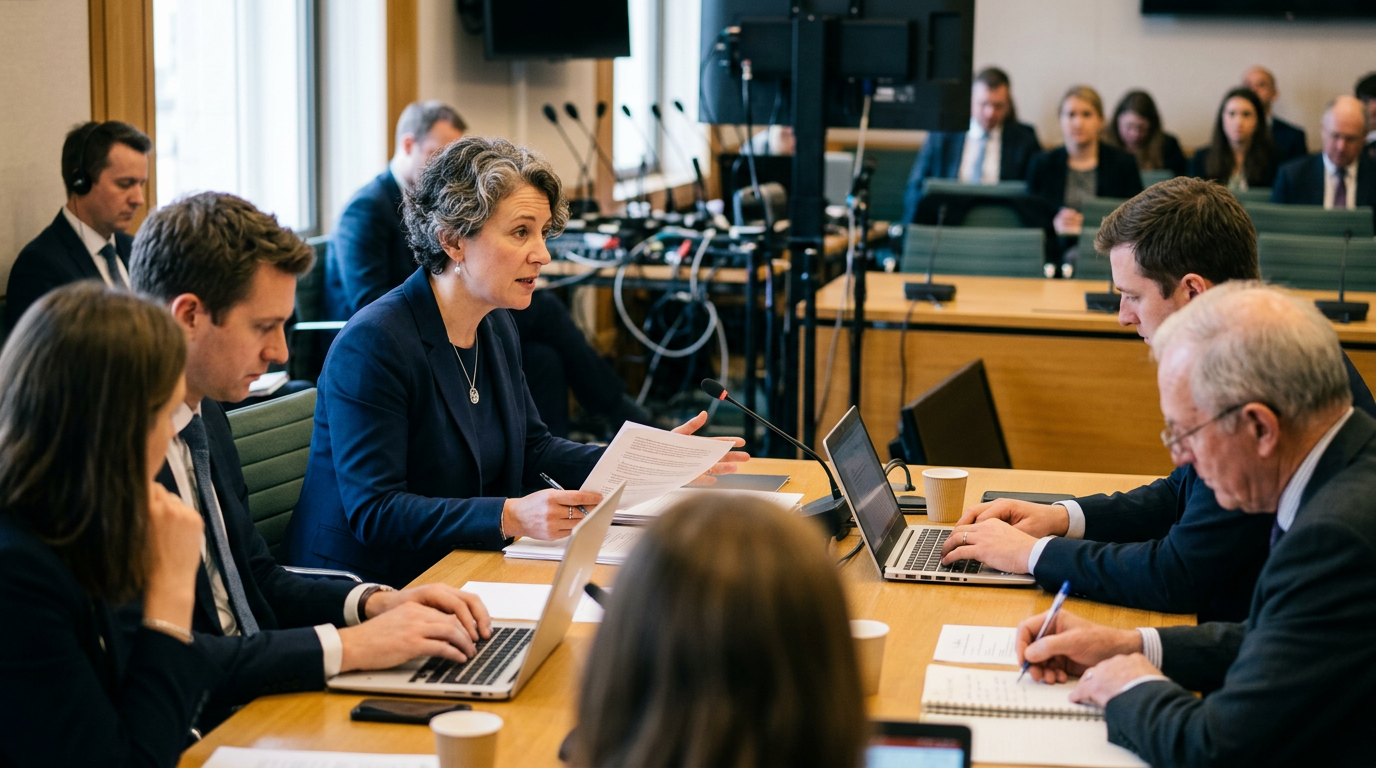
On 8 July 2026 the House of Commons Business and Trade Committee held an oral evidence session titled “Artificial Intelligence, business and the future of the workforce.” The Committee took evidence from government ministers and a range of witnesses representing unions, employers, skills bodies and employment experts, probing AI’s impact on jobs, redundancy risks, skills provision and worker protections. The session and the witness submissions are published on the Committee’s website.
Why this matters for HR
Parliamentary scrutiny of AI in the workplace signals that the technology’s deployment is moving from a business-as-usual operational issue to a matter of public policy and potential regulatory interest. For HR leaders that matters for three practical reasons.
1) Redundancies and workforce change: The Committee’s questioning focused on how AI may change job tasks and the potential for displacement. That places a spotlight on how organisations plan and manage redundancies, redeployment and retraining. HR teams should ensure their workforce-change processes are robust: transparent selection criteria, up‑to‑date role and skills mapping, and well-documented business reasons for change. Where unions or worker representatives are present — as they were in the evidence session — employers should be prepared for heightened collective engagement.
2) Skills, training and labour-market adjustment: Witnesses included skills bodies and employment experts who discussed reskilling and lifelong learning. HR must align talent and learning strategies to anticipated AI-driven task changes — investing in targeted retraining, revising competency frameworks, and integrating AI literacy into management development. Procurement decisions for AI tools should factor in the organisation’s capacity to reskill affected workers rather than relying solely on automation to cut roles.
3) Worker protections and governance: The session flagged worker protections as a topic of concern. HR should treat AI governance as part of its wider people risk framework: maintain records of how AI systems are used in recruitment, performance management and redeployment; conduct impact assessments where AI affects employment decisions; and ensure channels for employee questions and appeals. The presence of unions and employment experts in the inquiry underlines that industrial relations and collective voice will be central to how AI change is managed in many sectors.
What HR should do now
- Audit current and planned AI uses that touch hiring, promotion, task allocation or redundancy selection. Document purpose, data sources, decision paths and human oversight.
- Update workforce-planning scenarios to include AI-driven task changes, with costed options for retraining and redeployment.
- Strengthen engagement plans with unions, works councils or employee representatives — early dialogue reduces escalation risk.
- Review training plans to include AI literacy for managers and role-specific technical training for affected staff.
- Prepare clearer communications and appeals processes where AI tools inform or automate employment decisions.
What to watch next
The Committee’s oral evidence session is part of an active inquiry. HR leaders should monitor the Committee’s forthcoming publications and any resulting recommendations to government, which could influence future statutory guidance or sectoral regulation. The Committee’s published evidence provides a view of the issues Parliament is prioritising — jobs, redundancy risk, skills and worker protections — and those themes are likely to shape policymaker recommendations.
For now, the immediate takeaway for HR is operational: treat AI-driven change as a people risk to be managed through planning, dialogue and documented governance. The Committee’s engagement makes clear that employers can expect continued attention from Parliament — and from unions and skills bodies — as AI reshapes work.